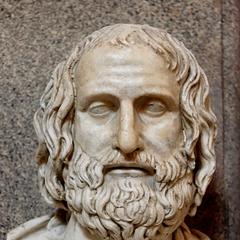
Euripides
Euripides, a renowned Greek tragic playwright, is one of the three great tragic poets of ancient Greece, alongside Aeschylus and Sophocles. His life and achievements are not well-documented.
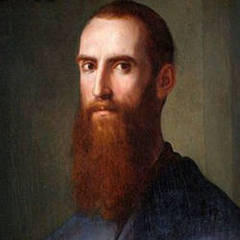
Euripides, a renowned Greek tragic playwright, is one of the three great tragic poets of ancient Greece, alongside Aeschylus and Sophocles. His life and achievements are not well-documented.
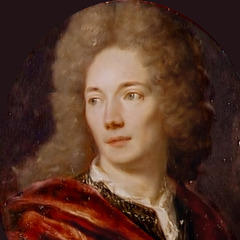
Jean de la Bruyere was a French philosopher and moralist, born on August 16, 1645, and died on May 10, 1696. His works have had a profound impact on posterity.
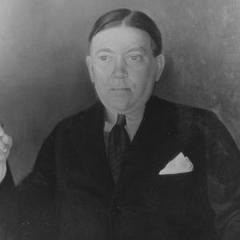
H. L. Mencken was an American journalist, essayist, satirist, cultural critic, and scholar of American English. Born on September 12, 1880, and passing away on January 29, 1956, Mencken is renowned for his significant contributions to American culture and language, particularly through his satirical essays and critical analyses of the American establishment.
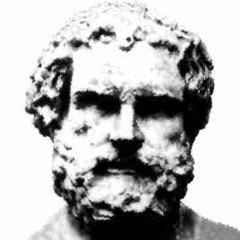
Democritus (460 BC - 370 BC) was an influential ancient Greek philosopher known as one of the founders of atomism. His philosophical ideas had a profound impact on subsequent generations, particularly his atomic theory and natural philosophy.
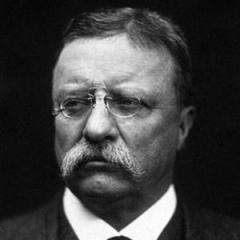
Theodore Roosevelt was the 26th President of the United States, serving from 1901 to 1909. A progressive leader, he is known for his advocacy of the conservation movement, expansion of federal government regulation, and efforts to improve the lives of American citizens.
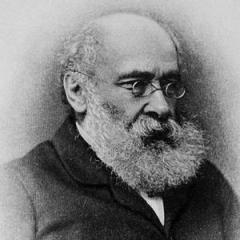
Anthony Trollope was an English novelist known for his detailed portrayals of Victorian British society. His works often centered around political and administrative themes, showcasing his profound insights into social structures and class divisions.
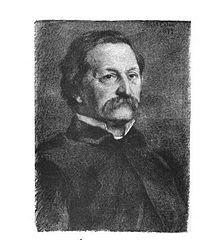
J. G. Holland was an American novelist renowned for his inspirational and Christian-themed works. Born on July 24, 1819, he crafted stories that offered hope and inspiration to readers. His novels often reflected his deep Christian faith and his belief in the power of the human spirit. Holland passed away on October 12, 1881, leaving behind a legacy of influential literature.
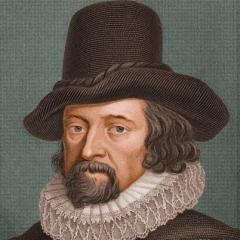
Francis Bacon, a renowned philosopher, politician, and writer, served as the Lord Chancellor of England. He is best known for his profound philosophical thoughts and extensive literary works, which have had a lasting impact on the world.
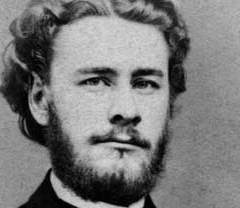
Charles Augustus Briggs (January 15, 1841 - June 8, 1913) was a versatile scholar known for his work as a historian, theologian, and linguist. His career was marked by significant contributions to the fields of biblical studies and linguistics, and he held teaching positions at several renowned institutions, including Columbia University and New York University. Briggs' influence on academia is still felt today, and he is considered one of the leading figures in American scholarship at the turn of the 19th and 20th centuries.
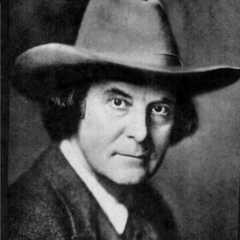
Elbert Hubbard was a prominent writer, publisher, and philosopher. He is best known for his magazine 'The Roycroft Studio' and his autobiography 'My Life and Work'. Hubbard's works emphasized the importance of craftsmanship, simple living, and self-improvement.