“On a huge hill, Cragged, and steep, Truth stands, and hee that will Reach her, about must, and about must goo.”
Quote by John Donne
Work
The Complete Poetry and Selected Prose of John Donne: & the Complete Poetry of William Blake
This combined edition brings together the full poetic output of John Donne, a leading metaphysical poet of the early 17th century, with a curated selection of his prose writings, including sermons, letters, and devotional works. It also includes the complete poetry of William Blake, the visionary Romantic poet and artist of the late 18th and early 19th centuries. The collection allows for a comparative exploration of Donne's intricate, intellectual verse and Blake's symbolic, prophetic poetry, highlighting their distinct contributions to English literature. The prose selections from Donne provide insight into his theological and philosophical thought, while Blake's poetry spans his illuminated works and lyrical pieces. more
Author
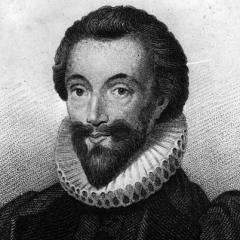
John Donne
John Donne was a renowned 17th-century English poet, known for his profound religious and philosophical reflections. His poetry style was unique, blending the elegance of the Renaissance with the passion of the Reformation. more
You May Also Like
Source: Lectures and Essays
Source: Journey to the Centre of the Earth
Source: On aggression
“Scientific, like spiritual truth, has ever from the beginning been descending from heaven to man.”
Source: Collected Edition of the Novels and Tales
Source: The Portable Nietzsche
Source: Principles of Political Economy: Abridged with Critical, Bibliographical and Explanatory Notes and a Sketch of the History of Political Economy
Source: The Great Instauration
Source: The Poems of John Dryden, Ed., with an Introduction and Textual Notes