“Tired of myself longing for what I have not”
Quote by Samuel Richardson
Work
Clarissa Or The History of a Young Lady : Comprehending the Most Important Concerns of Private Life; and Particularly Shewing the Distresses that May Attend the Misconduct Both of Parents and Children, in Relation to Marriage
This book is a comprehensive exploration of the intricacies of personal life, focusing on the repercussions of improper behavior by parents and children, particularly as it pertains to marital relationships. more
Author
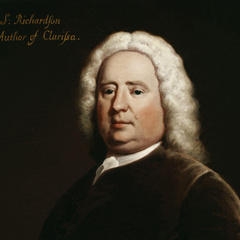
Samuel Richardson
Samuel Richardson (August 19, 1689 - July 4, 1761) was an 18th-century English writer, widely regarded as one of the founders of the modern English novel. Born in London during the reign of James II, he initially worked in book printing and publishing before turning to writing. Richardson's major works include 'Pamela,' 'Clarissa,' and 'Sir Charles Grandison,' which are renowned for their psychological depth and vivid character development. He pioneered the use of diary and epistolary formats, allowing readers intimate access to characters' inner worlds. His novels were immensely popular in their time and significantly influenced the development of the novel form, particularly in psychological characterization and social commentary. Richardson's focus on moral instruction and feminine virtue reflected 18th-century English societal values. more
You May Also Like
Source: DUBLINERS (Modern Classics Series): The Sisters, An Encounter, Araby, Eveline, After the Race, Two Gallants, The Boarding House, A Little Cloud, Counterparts, Clay, A Painful Case, Ivy Day in the Committee Room, Mother, Grace & The Dead
“Too excited to be genuinely happy”
Source: James Joyce The Dover Reader
Source: DUBLINERS (Modern Classics Series): The Sisters, An Encounter, Araby, Eveline, After the Race, Two Gallants, The Boarding House, A Little Cloud, Counterparts, Clay, A Painful Case, Ivy Day in the Committee Room, Mother, Grace & The Dead
“Oh, love isn't there to make us happy. I believe it exists to show us how much we can endure.”
Source: Peter Camenzind: A Novel
“Skipping school isn't a crime. It's an infraction. They're totally different.”
Source: Little Brother