Quotessence
Home / Quotes / Quote by James Elroy Flecker

Quote by James Elroy Flecker

“O friend unseen, unborn, unknown, Student of our sweet English tongue, Read out my words at night, alone: I was a poet, I was young. Since I can never see your face, And never shake you by the hand, I send my soul through time and space To greet you. You will understand.”

Quote by James Elroy Flecker

Author
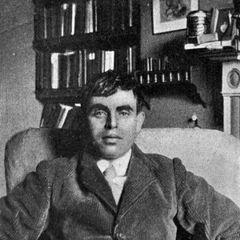
James Elroy Flecker
James Elroy Flecker

James Elroy Flecker was a British poet born on November 5, 1884, and died on January 3, 1915. His poetry is known for its rich imagination and unique style. more

You May Also Like

“You turn the blind eye – you, and all your timid minions in the House, all those who would try and talk their way out of the labyrinth. Every creature out there who would sell their birthrights for a quiet life – the pacifist intellectuals, the wishful thinkers, the dull masses who wait for leadership and who will perish for want of it – you all resolutely refuse to open your eyes and recognise the terrible truth that stares you in the face. Because you do not want to believe it. Which is that the head of a great nation – like so many who have usurped such positions in the past – is nothing but a criminal, a tyrant, a psychopath. For whatever fathomless reasons the psychoanalysts might find. And as such he has no scruples, and only one ambition. To go on conquering, and murdering, and coercing until he is master of all within his vision. Which means first his own people. Then his neighbours. Then the world.”

“We believe in the nobility of self-sacrifice demanded by war, especially when we are blinded by the narcotic of war. We discover in the communal struggle, the shared sense of meaning and purpose, a cause. War fills our spiritual void. I do not miss war, but I miss what it brought. I can never say that I was happy in the midst of the fighting in El Salvador, or in Bosnia, or Kosova, but I had a sense of purpose, of calling. And this is a quality war shares with love, for we are, in love, also able to choose fealty and self-sacrifice over security.”