Quotessence
Home / Quotes / Quote by James Martineau

Quote by James Martineau

Author

James Martineau
James Martineau

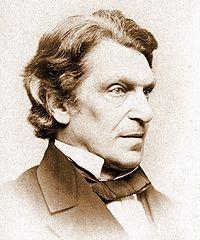
James Martineau was a British philosopher born on April 21, 1805, and died on January 11, 1900. His philosophical thoughts were deeply influenced by German classical philosophy and British positivism, mainly focusing on ethics and religious philosophy. more

You May Also Like

“This it is that gives a majesty so pure and touching to the historic figure of Christ; self-abandonment to God, uttermost surrender, without reserve or stipulation, to the guidance of the Holy Spirit from the Soul of souls; pause in no darkness; hesitation in no perplexity, recoil in no extremity of anguish, but a gentle unfaltering hold of the invisible Hand, of the Only Holy and All Good--these are the features that have made Jesus of Nazareth the dearest and most sacred image to the heart of so many ages.”

“If we listen to our self-love, we shall estimate our lot less by what it is than by what it is not; shall dwell upon its hindrances and be blind to its possibilities; and, comparing it only with imaginary lives, shall indulge in flattering dreams of what we should do if we had but power, and give if we had but wealth, and be if we had no temptations.”

“In what region of the earth ever so remote from us, in what corner of creation ever so far out of the range of our communication, does not some burden lightened, some bond loosened, some yoke lifted, some labor better remunerated, some new hope for despairing hearts, some new light or new liberty for the benighted or the oppressed, bear witness this day, and trace itself, directly or indirectly, back to the impulse given to the world by the successful establishment and operation of free institutions on this American continent?”

“Without Virginia, as we must all acknowledge--without her Patrick Henry among the people, her Lees and Jefferson in the forum, and her Washington in the field--I will not say that the cause of American liberty and American independence must have been ultimately defeated--no, no, there was no ultimate defeat for that cause in the decrees of the Most High; but it must have been delayed, postponed, perplexed, and to many eyes and hearts rendered seemingly hopeless.”