Quotessence
Home / Quotes / Quote by Luce Irigaray

Quote by Luce Irigaray

“Traditional morality ... does not teach us how to let the other follow his or her own path, meet with whomever he or she desires, go where he or she wants.”

Quote by Luce Irigaray

Work

Sharing the world

This book delves into the themes of international cooperation, cultural exchange, and the shared human experience, offering insights into the complexities of our interconnected world. more
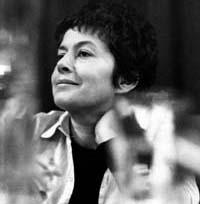
Author

Luce Irigaray
Luce Irigaray

Luce Irigaray is a French philosopher born on May 3, 1930. She is known for her influential work in feminist philosophy, particularly her analysis of gender, language, and culture, which has had a profound impact on post-structuralist and feminist philosophy. more

You May Also Like

“As the years pass, and we look back on something which, at the time, seemed unbelievably discouraging and unfair, we come to realize that, after all, God was at all times on our side. The eventual outcome was, we discover, by far the best solution for us, and what we thought should have been to our best advantage, would in reality have been quite detrimental.”

“Demons may be either good or bad, like any other class of beings.”

“Familiarity with any great thing removes our awe of it. The great general is only terrible to the enemy; the great poet is frequently scolded by his wife; the children of the great statesman clamber about his knees with perfect trust and impunity; the great actor who is called before the curtain by admiring audiences is often waylaid at the stage door by his creditors.”

“I think the world is like a great mirror, and reflects our lives just as we ourselves look upon it. Those who turn sad faces toward the world find only sadness reflected. But a smile is reflected in the same way, and cheers and brightens our hearts. You think there is no pleasure to be had in life. That is because you are heartsick and-and tired, as you say. With one sad story ended you are afraid to begin another-a sequel-feeling it would be equally sad. But why should it be? Isn't the joy or sorrow equally divided in life?”