“Happy are the poor, for nothing stands between them and the Kingdom. Happy are the sorrowful, for their souls are made strong through suffering. Happy are the humble, for they receive the whole world as a gift. Happy are they who long for holiness as a man longs for food, for they shall enjoy God’s plenty. Happy are the merciful, for they are mercifully judged. Happy are they who establish peace, for they share God’s very nature. Happy are the single-hearted, for they see God. And think yourselves happy when people hate and shun you, when they insult and revile and persecute you for the Son of Man’s sake. When that happens to you, you may laugh and dance for joy. It is a sign that you are right with God, for all true prophets are persecuted, and God will be your reward.”
Quote by Dorothy L. Sayers
Work
The Man Born to Be King
Browse quotes and source details for this work. more
Author
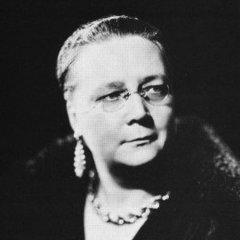
Dorothy L. Sayers
Dorothy L. Sayers was an English writer renowned for her detective novels. Her works are celebrated for their unique literary style and profound insights into criminal psychology. Sayers' detective novels typically feature the character of Valery West, a female detective, whose stories offer not only suspenseful plots but also delve into moral and philosophical issues. more
You May Also Like
Source: The Uncharted Mind
“His chestnut eyes have seen six decades worth of what should have been three.”
Source: Blackpines: The Magpie Witch: The North Star in Eclipse
Source: Hearts Overboard
Source: The Holiday Kiss
Source: The Break-Up Pact
Source: Idzie skacząc po górach
Source: That Hideous Strength