“Abashed the Devil stood, And felt how awful goodness is, and saw Virtue in her shape how lovely; saw, and pined His loss.”
Book:Paradise lost
“Abashed the Devil stood, And felt how awful goodness is, and saw Virtue in her shape how lovely; saw, and pined His loss.”
Written by John Milton, Paradise Lost is a profound narrative that delves into the origins of evil and the struggle between good and evil. The poem narrates the story of the fall of Adam and Eve, their expulsion from Eden, and the subsequent war in heaven. It is renowned for its complex characters, rich symbolism, and profound theological and philosophical themes. more
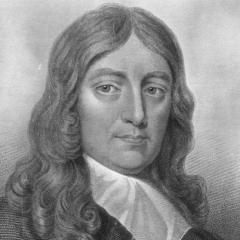
John Milton, born on December 9, 1608, in London, and died on November 8, 1674, was a renowned English poet and scholar. He is best known for his epic poem 'Paradise Lost,' which has had a profound impact on world literature. more
“Atthis, you looked at what I was And hated what you saw”
“All this has taught me the limits of my hatred.”
“I knew all too well that if we hate someone, we're right there with them, bound by our hatred.”
“He cracked my heart open wide, yanking out any slither of love I had left, to go back to her.”