Quotessence
Home / Quotes / Quote by Morihei Ueshiba

Quote by Morihei Ueshiba

Work

The Art of Peace

This book delves into the philosophical and practical aspects of achieving peace, exploring various techniques and philosophies from different cultures and historical periods. It provides readers with a deeper understanding of the nature of conflict and the ways to cultivate a peaceful mindset. more
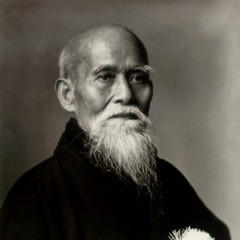
Author

Morihei Ueshiba
Morihei Ueshiba

Morihei Ueshiba, born on December 14, 1883, was a renowned Japanese martial artist and the founder of aikido. His aikido, a martial art that emphasizes harmony and defense, has had a profound impact on the world. Ueshiba's life was marked by his passion for martial arts and his continuous pursuit of improvement. He passed away on April 26, 1969, but his teachings and contributions to the martial arts continue to inspire many to this day. more

You May Also Like

“See if you can catch yourself complaining in either speech or thought, about a situation you find yourself in, what other people do or say, your surroundings, your life situation, even the weather. To complain is always nonacceptance of what is. It invariably carries an unconscious negative charge. When you complain, you make yourself a victim. Leave the situation or accept it. All else is madness.”

“Since you alone are responsible for your thoughts, only you can change them. You will want to change them when you realize that each thought creates according to its own nature. Remember that the law works at all times and that you are always demonstrating according to the kind of thoughts you habitually entertain. Therefore, start now to think only those thoughts that will bring you health and happiness.”

“A flash of enlightenment offers a preview of coming attractions, but when it fades, you will see more clearly what separates you from that state - your compulsive habits, outmoded beliefs, false associations, and other mental structures. Just when our lives are starting to get better, we may feel like things are getting worse - because for the first time we see clearly what needs to be done.”