“Then have we right thoughts of God, when we think that He knows us better than we know ourselves, and can see sin in us when and where we can see none in ourselves; when we think He knows our inmost thoughts, and that our heart, with all its depths, is always open unto His eyes; also when we think that all our righteousness stinks in His nostrils, and that therefore He cannot abide to see us stand before Him in any confidence, even in all our best performances.”
Quote by John Bunyan
Work
The Pilgrim's Progress
This seminal work of religious fiction, written by John Bunyan, explores themes of faith, sin, and redemption through the eyes of its protagonist, Christian. The narrative is structured as a journey through various landscapes and encounters that symbolize the spiritual pilgrimage towards salvation. more
Author
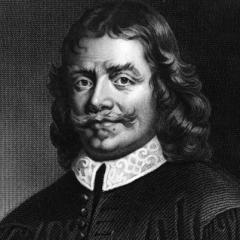
John Bunyan
John Bunyan, born on November 28, 1628, and died on August 31, 1688, was a renowned English writer. He is best known for his religious works, especially his masterpiece 'Pilgrim's Progress'. Bunyan's life was filled with hardships, including multiple arrests for his preaching activities, but his works have had a profound impact on both Christian literature and English literature. more
You May Also Like
“The greatest technique for becoming intuitive is to stop and feel.”
Source: Rituals of the Soul: Using the 8 Ancient Principles of Yoga to Create a Modern & Meaningful Life
Source: Music Journalism 101: The definitive resource for new and established writers
Source: On the Antiseptic Principle of the Practice of Surgery
“You are the dream that awakens the passion in my heart”
Source: Endeavors of Love: My Poems, My Photos, My Loves
Source: Peste & Choléra
Source: Peste & Choléra