“The future can ever promise but one thing and one thing only: surprises.”
Quote by Steven Erikson
Work
House Of Chains: Malazan Book Of The Fallen 4
In this novel, readers are immersed in a richly detailed fantasy world, filled with political intrigue, magic, and epic battles. The story follows a group of individuals as they navigate the ever-changing landscape of the Malazan Empire, facing moral dilemmas and powerful forces that threaten to reshape their world. more
Author
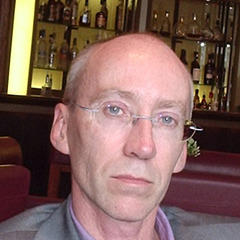
Steven Erikson
Steven Erikson (born October 7, 1959) is a renowned Canadian novelist, best known for his epic fantasy series Malazan Book of the Fallen. Born in Toronto, he holds a background in archaeology and anthropology, having worked on archaeological projects in Canada and the UK. Erikson's writing is characterized by complex world-building, multi-perspective narratives, and profound philosophical themes, blending history, mythology, and human nature. The Malazan series is widely regarded as a landmark in modern fantasy literature, influencing countless readers and writers. His works have been nominated for major awards, including the World Fantasy Award and the British Fantasy Award. more
You May Also Like
Source: Midnight Tides: (Malazan Book Of Fallen 5)
“I hated the tests the raised hopes and failed expectations.”
Source: The new science: 3 complete works: Where is science going? The universe in the light of modern physics; The philosophy of physics
Source: Magic Strikes
“Perhaps it's chasing me. But I don't think it will ever catch me because I am moving fast.”