“Why do you think great leaders and great orations are coincident with wars, revolutions, and the founding or ending of governments and states? Common interests then are so clear that speeches are effortlessly drawn, but at present neither the facts nor the consequences are sufficiently clear to make oratory legitimate. This is the kind of war that will wind on and make fools of its partisans and opponents both.”
Quote by Mark Helprin
Work
A Soldier of the Great War
This book is a fictional account of a soldier's experiences during the First World War, offering insights into the life and struggles of a soldier in the trenches. more
Author
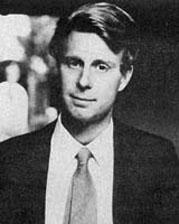
Mark Helprin
Mark Helprin is an American novelist born on June 28, 1947. His works are known for their rich imagination, profound philosophical insights, and unique narrative style. more
You May Also Like
Source: The Awakening & Other Short Stories
Source: A Kate Chopin miscellany
Source: The Perks of Being a Wallflower YA edition
Source: A Selection: Easyread Super Large 20pt Edition
“Let no one delay the study of philosophy while young nor weary of it when old.”
Source: The Epicurus Reader
Source: Delphi Complete Works of Cicero (Illustrated)