“Prison deprives one of the sight of a tree and the sea. Freedom is the imagination capable of recalling them both in prison, making the invisible visible. No, that is what poetry does. Poetry, then, is an act of freedom. It makes what is visible invisible when facing danger.”
Quote by Mahmoud Darwish
Work
In the Presence of Absence
Browse quotes and source details for this work. more
Author
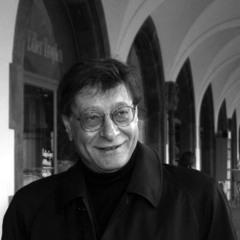
Mahmoud Darwish
Mahmoud Darwish was a renowned Lebanese poet known for his profound poetry and strong nationalist sentiments. His works extensively explored the sufferings and hopes of the Palestinian people, profoundly influencing Middle Eastern literature. more
You May Also Like
“all of us are naturally anarchists at heart”
Source: Anarchism: A Collection of Revolutionary Writings
“If freedom ever knocks on your door same as it did for Mathilda and Noble... open it!”
Source: My Name Is Ona Judge
Source: My Name Is Ona Judge
Source: Artemisia
Source: The Djinn Waits a Hundred Years
Source: The Dark Cloud
“we all desire the largest possible personal freedom and least possible external restraint.”
“Anarchism is ... the formulation of a universal and ancient desire of mankind.”