“Let us be thankful that there is no court by which we can be excluded from our share in the inheritance of the great poets of all ages and countries, to which our simple humanity entitles us.”
Quote by James Russell Lowell
Work
The North American Review
The North American Review is one of the oldest literary magazines in the United States, originally established in 1815. It played a significant role in 19th-century American intellectual life, publishing contributions from notable writers, thinkers, and public figures. The journal covered a wide range of topics including literature, politics, history, and social issues, and was known for its thoughtful analysis and critical essays. Over its long history, it has undergone several changes in publication frequency and ownership, but it remains a respected periodical in American letters. more
Author
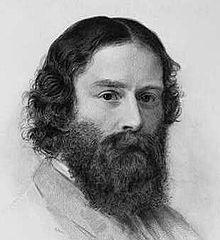
James Russell Lowell
James Russell Lowell was an American poet, born on February 22, 1819, and died on August 12, 1891. His poetry is known for its profound social insights and admiration for nature. more
You May Also Like
“A marciful Providunce fashioned us holler O' purpose thet we might our principles swaller.”
Source: The Biglow papers
“Analysis is carried into everything. Even Deity is subjected to chemical tests.”
Source: Poems
Source: Abraham Lincoln
Source: Poetical works
“Fools, when their roof-tree falls, think it doomsday.”
Source: The poetical works of James Russell Lowell
“A profound common sense is the best genius for statesmanship.”
Source: My Study Windows
Source: Delphi Complete Poetical Works of James Russell Lowell (Illustrated)
“Keats longed for fame, but longed above all to deserve it.”
Source: THE POETICAL WORKS OF JOHN KEATS.
Source: My Study Windows