“How was Gengo to know, Saigyo reflected, that this unheroic existence imposed even greater torment than the icy lashings of the Nachi Falls in its thousand-foot leap? How was Gengo to realize that Saigyo had not slept a single night undisturbed since he had fled his home for the Eastern Hills, that his sleep was haunted by the cries of his beloved daughter from whom he had torn himself. Who knew that during the day, when he went about his tasks of drawing water and chopping wood as he composed verses, the sighting of the wind in the treetops of the valleys below and the pines surrounding the temple sounded to him like the mourning of his young wife, and so troubled his nights that sleep no longer visited him? Never again would Saigyo find peace. He had wrenched asunder the living boughs of the tree that was his life. Remorse and compassion for his loved ones would dog him to the end of his days.”
Quote by Eiji Yoshikawa
Author
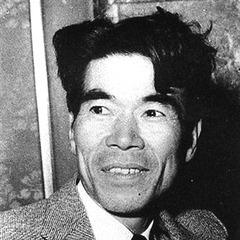
Eiji Yoshikawa
Eiji Yoshikawa was a distinguished Japanese novelist renowned for his historical novels. Born on August 11, 1892, in Tokyo, he was a prolific writer who delved into various facets of Japanese history and culture. Yoshikawa's works frequently portrayed the struggles and victories of ordinary individuals against the backdrop of significant historical events. His writing style was marked by its vivid descriptions and emotional depth, which struck a chord with a broad audience. He passed away on September 7, 1962. more
You May Also Like
Source: The Heike Story: A Modern Translation of the Classic Tale of Love and War
Source: The Heike Story: A Modern Translation of the Classic Tale of Love and War
Source: The Heike Story: A Modern Translation of the Classic Tale of Love and War
Source: 1Q84
Source: Life Ceremony
Source: Life Ceremony
Source: Life Ceremony
Source: Thousand Cranes
Source: Hunchback