Quotessence
Home / Quotes / Quote by Albert Camus

Quote by Albert Camus

“And then we realized that the separation was destined to continue, we had no choice but to come to terms with the days ahead. In short, we returned to our prison-house, we had nothing left us but the past, and even if some were tempted to live in the future, they had speedily to abandon the idea –anyhow, as soon as could be– once they felt the wounds that the imagination inflicts on those who yield themselves to it.”

Quote by Albert Camus

Work

The Plague

Albert Camus' classic work delves into the human condition during a devastating epidemic, examining themes of hope, despair, and the struggle for meaning in the face of tragedy. more

Author

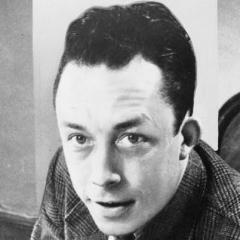
Albert Camus
Albert Camus

Albert Camus was a French author and philosopher, born on November 7, 1913, and died on January 4, 1960. Known for his unique existentialist philosophy and profound insights into human suffering, Camus' works include 'The Stranger', 'The Plague', and 'The Myth of Sisyphus', which have had a profound impact on 20th-century literature. more

You May Also Like

“Auf welche Weise wird die Abtrennung der eigenen Resonanzfähigkeit und struktureller Ausschluss und Abwertung von Teilen des Ganzen aufrechterhalten und was ist der poli-tisch-gesellschaftliche und individuell-leibliche Sinn dieser Trennung?”

“The chill in her heart seemed to mock her as it echoed “critters,” “debris,” and “tempestuous.” The iciness inside of her only hardened as she contemplated how she had so callously left her husband behind at the gas station. Surely no woman in her right mind would do what she had done. As she examined these thoughts, she tried to make order of them and what caused the break--for something had definitely been broken. Cracked. Fractured. And now those frozen fractals were piercing her heart and mind. She would add “soul” but at this point, she wondered what had become of hers.”

“Aw god,' Julie said. 'I wish I was dead.' She did not say it accusingly, as if it was his fault, or even as if she meant it passionately; it was as if she were resuming a conversation from the night before. 'What is the purpose of it all, Chic?' she said. 'I like Vince, but he's so goofy; he'll never grow up and really bear down at the business of living. He's always playing his games of being the embodiment of modern organized social life, the estab-man, pure and simple, whereas actually he's not. But he's young.' She sighed. It was a sigh that chilled Chic because it was a cold, cruel, utterly dismissing sigh. She was writing off another human being, severing herself from Vince with as little spilled emotion as if she had returned a book borrowed from the building's library.”