“If not for the direct action of a John Brown and his comrades, America would still trade in the flesh of the black man.”
Quote by Emma Goldman
Work
Anarchism and Other Essays
This book is a compilation of essays that delve into the principles and theories of anarchism, as well as related concepts in politics and social theory. The essays likely examine the history, philosophy, and implications of anarchism, offering insights into its various aspects. more
Author
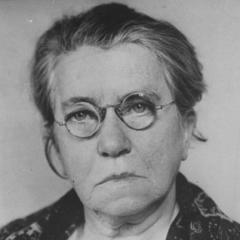
Emma Goldman
Emma Goldman was a prominent American writer, lecturer, and activist, known for her work in anarchism and feminism. Born on June 27, 1869, in Lithuania, she immigrated to the United States in her teens. Goldman's life was marked by her advocacy for workers' rights, free speech, and sexual liberation. She was a key figure in the American labor movement and the early 20th-century radical movement. Her influential writings and speaking engagements made her a leading voice in the fight for social and political change. She passed away on May 14, 1940. more
You May Also Like
Source: Anarchism and Other Essays
Source: Delphi Collected Works of Karl Marx (Illustrated)
Source: Political writings
Source: Homage to Catalonia / Down and Out in Paris and London
“If I had understood the situation a bit better I should probably have joined the Anarchists.”
Source: The Collected Essays, Journalism and Letters of George Orwell: An age like this, 1920-1940
Source: Homage to Catalonia / Down and Out in Paris and London
Source: THOMAS PAINE Ultimate Collection: Political Works, Philosophical Writings, Speeches, Letters & Biography (Including Common Sense, The Rights of Man & The Age of Reason): The American Crisis, The Constitution of 1795, Declaration of Rights, Agrarian Justice, The Republican Proclamation, Anti-Monarchal Essay, Letters to Thomas Jefferson and George Washington…