“All men can understand what representation is; and that it must necessarily include a variety of knowledge and talents.”
Quote by Thomas Paine
Work
Rights of Man: Being an Answer to Mr. Burke's Attack on the French Revolution
Written by Thomas Paine, this work is a comprehensive defense of the rights of man and the ideals of the French Revolution, offering a direct response to Edmund Burke's critique of the revolution. Paine argues for the natural rights of individuals and the necessity of a government based on the will of the people. more
Author
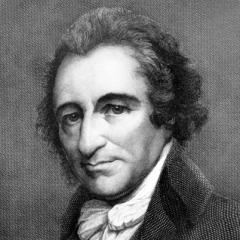
Thomas Paine
Thomas Paine, born on February 9, 1737, and died on June 8, 1809, was a prominent American writer, political figure, and philosopher during the American Revolutionary War. He is renowned for his radical democratic ideas and his contributions to the American independence movement. more
You May Also Like
Source: Rights of Man: Being an Answer to Mr. Burke's Attack on the French Revolution
Source: Rights of Man: Being an Answer to Mr. Burke's Attack on the French Revolution
Source: The Political Writings of Thomas Paine: Secretary to the Committee of Foreign Affairs in the American Revolution : to which is Prefixed a Brief Sketch of the Author's Life
“Wisdom degenerates in governments as governments increase in age.”
Source: The Thomas Paine Collection: Common Sense, Rights of Man, Age of Reason, An Essay on Dream, Biblical Blasphemy, Examination Of The Prophecies
“"Government," says Swift, "is a plain thing, and fitted to the capacity of many heads."”
Source: Rights of Man
“We're always bombarded with images from magazines of what looks cool and sexy.”
Source: The Thomas Paine Reader
Source: THE RIGHTS OF MAN: The French Revolution – Ideals, Arguments & Motives (Political Classic): Being an Answer to Mr. Burke's Attack on the French Revolution
Source: Rights of Man: Being an Answer to Mr. Burke's Attack on the French Revolution