“The pleasures of the fancy are more conducive to health, than those of the understanding, which are worked out by dint of thinking, and attended with too violent a labour of the brain. Delightful scenes, whether in nature, painting, or poetry, have a kindly influence on the body, as well as the mind, and not only serve to clear and brighten the imagination, but are able to disperse grief and melancholy, and to set the animal spirits in pleasing and agreeable motions. For this reason Sir Francis Bacon, in his Essay upon Health, has not thought it improper to prescribe to his reader a poem or a prospect, where he particularly dissuades him from knotty and subtle disquisitions, and advises him to pursue studies that fill the mind with splendid and illustrious objects, as histories, fables, and contemplations of nature.”
Quote by Joseph Addison
Work
The Pleasures of the Imagination : ur The Spectator, June 19th - July 3rd, 1712
Browse quotes and source details for this work. more
Author
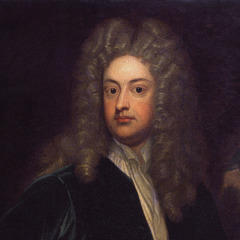
Joseph Addison
Joseph Addison, born on May 1, 1672, and died on June 17, 1719, was an influential English essayist, dramatist, and poet. He is known for his elegant prose style and his co-authorship of the magazine 'The Spectator' with Richard Steele. more
You May Also Like
Source: The Body
“This is just the crate. The sheep you want is inside.”
Source: The Little Prince
Source: Treasures of Darkness
“Naturligtvis är det omöjligt, men alltihop var ju omöjligt redan från början.”
Source: Christine
Source: Silver Screen Fiend: Learning About Life from an Addiction to Film
“There's more things real than you can imagine”
Source: Thomas and the Kite Dragon: A dragon story for 7-11 year olds
Source: White Lies