Quotessence
Home / Quotes / Quote by Paul Feyerabend

Quote by Paul Feyerabend

“There is not a single rule, however plausible, and however firmly grounded in epistemology, that is not violated at some time or other. It becomes evident that such violations are not accidental events, they are not results of insufficient knowledge or of inattention which might have been avoided. On the contrary, we see that they are necessary for progress.”

Quote by Paul Feyerabend

Work

Against Method

Friedrich Karl von Hayek's seminal text critiques the idea of a unified scientific method and explores the limitations of rationalism in the pursuit of truth. more

Author

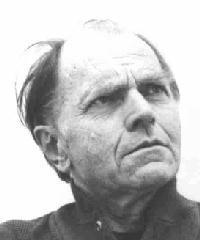
Paul Feyerabend
Paul Feyerabend

Paul Feyerabend was a prominent philosopher known for his significant contributions to the philosophy of science. His ideas have had a profound impact on methodology and epistemology in science. more

You May Also Like

“Human beings have rights, because they are moral beings: the rights of all men grow out of their moral nature; and as all men havethe same moral nature, they have essentially the same rights. These rights may be wrested from the slave, but they cannot be alienated: his title to himself is as perfect now, as is that of Lyman Beecher: it is stamped on his moral being, and is, like it, imperishable.”

“I prize the purity of his character as highly as I do that of hers. As a moral being, whatever it is morally wrong for her to do,it is morally wrong for him to do. The fallacious doctrine of male and female virtues has well nigh ruined all that is morally great and lovely in his character: he has been quite as deep a sufferer by it as woman, though mostly in different respects and by other processes.”

“When human beings are regarded as moral beings, sex, instead of being enthroned upon the summit, administering upon rights and responsibilities, sinks into insignificance and nothingness. My doctrine then is, that whatever it is morally right for man to do, it is morally right for woman to do. Our duties originate, not from difference of sex, but from the diversity of our relations in life, the various gifts and talents committed to our care, and the different eras in which we live.”