“When and under what conditions is the black man to have a free ballot? When is he in fact to have those full civil rights which have so long been his in law?”
Quote by Benjamin Harrison
Work
Public Papers and Addresses of Benjamin Harrison: Twenty -third President of the United States. March 4, 1889, to March 4, 1893
Public Papers and Addresses of Benjamin Harrison is a compilation of the official documents and speeches delivered by Benjamin Harrison, who served as the 23rd President of the United States from 1889 to 1893. The book offers insight into Harrison's presidency through his written and spoken words, providing a historical record of his administration's policies and perspectives. more
Author
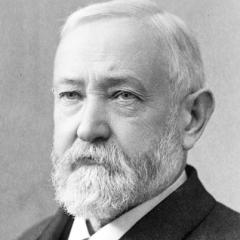
Benjamin Harrison
Benjamin Harrison was the 23rd President of the United States, serving from 1889 to 1893. Born on August 20, 1833, and passing away on March 13, 1901, Harrison was known for his efforts to promote national infrastructure and reforms during his presidency. His term was marked by the push for railway and postal system improvements, and his policies had a lasting impact on the development of the United States. more