Quotessence
Home / Quotes / Quote by Teju Cole

Quote by Teju Cole

“I just realized that we're facing here is an empathy gap. And this was just another way to generate conversation about something that nobody wanted to look at.”

Quote by Teju Cole

Author
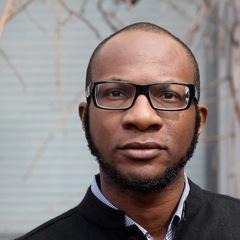
Teju Cole
Teju Cole

Teju Cole, born on June 27, 1975, is a distinguished Nigerian-American writer known for his unique literary style and profound insights into contemporary social issues. His works, which include novels, photography, and essays, explore themes of race, identity, and globalization. Cole's debut novel, 'Every Day Is a Good Day,' won the 2008 National Book Award, and his photography and essays have also received widespread recognition, including the Photography Prize from The New Yorker magazine. more

You May Also Like

“Killing a bunch of people in Sudan and Yemen and Pakistan, it's like, "Who cares - we don't know them." But the current discussion is framed as "When can the President kill an American citizen?" Now in my mind, killing a non-American citizen without due process is just as criminal as killing an American citizen without due process - but whatever gets us to the table to discuss this thing, we're going to take it.”

“Oh, I love labels, as long as they are numerous. I'm an American writer. I'm a Nigerian writer. I'm a Nigerian American writer. I'm an African writer. I'm a Yoruba writer. I'm an African American writer. I'm a writer who's been strongly influenced by European precedents. I'm a writer who feels very close to literary practice in India - which I go to quite often - and to writers over there.”

“He [Hugo Chavez] put poverty at the heart of political debate. Rightly so, given the country's immense inequality and poverty. He invested heavily in social programs such as literacy, health clinics, and education. He promoted Venezuela's indigenous culture and urged compatriots to take pride in its pre-Columbian history. He called time on the US treating Latin America as its backyard.”

“Confronting the US made him [Hugo Chavez] a target for demonization. Partisan and/or lazy journalism exaggerated his faults, ignored his virtues, and downplayed the influence of strident and on occasion anti-democratic opponents. The flip side is his anti-imperialist posturing so dazzled his cheerleaders they overlooked his flaws, flaws which worsened over time, and they created their own caricature.”