“Cependant, pour les pays les plus avancés, les mesures suivantes pourront assez généralement être applicables : 1 ̊Expropriation de la propriété foncière et confiscation de la rente foncière au profit de l’Etat. 2 ̊Impôt fortement progressif. 3 ̊Abolition de l’héritage. 4 ̊Confiscation de la propriété de tous les émigrants et de tous les rebelles. 5 ̊Centralisation du crédit dans les mains de l’Etat au moyen d’une banque nationale, avec capital de l’Etat, et avec le monopole exclusif. 6 ̊Centralisation dans les mains de l’Etat de tous les moyens de transport. 7 ̊Augmentation des manufactures nationales et des instruments de production, défrichement des terrains incultes et amélioration des terres cultivées d’après un système général. 8 ̊Travail obligatoire pour tous, organisation d’armées industrielles, particulièrement pour l’agriculture. 9 ̊Combinaison du travail agricole et industriel, ; mesures tendant à faire disparaître la distinction entre ville et campagne. 10 ̊Education publique et gratuite de tous les enfants, abolition du travail des enfants dans les fabriques tel qu’il est pratiqué aujourd’hui. Combinaison de l’éducation avec la production matérielle, etc., etc.”
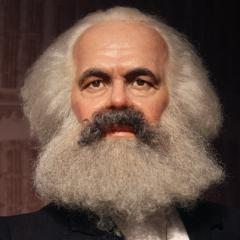
Quote by Karl Marx
Work
The Communist Manifesto
Written by Karl Marx and Friedrich Engels, this influential work analyzes the historical development of capitalism and advocates for the establishment of a classless society through the proletariat's revolution. more
Author
You May Also Like
Source: My Year of Rest and Relaxation
Source: Under the Rose
Source: Henry and June: From the Unexpurgated Diary of Anaïs Nin
Source: All the Ever Afters: The Untold Story of Cinderella’s Stepmother
Source: A Transcendental Yogi Life: With Eternal Stories
“When scientists underestimate complexity, they fall prey to the perils of unintended consequences.”
Source: The Gene: An Intimate History