“Any attempt at fighting the camp's psychopathological influence on the prisoner by psychotherapeutic or psycho-hygienic methods had to aim at giving him inner strength by pointing out to him a future goal to which he could look forward. Instinctively some of the prisoners attempted to find one on their own. It is a peculiarity of man that he can only live by looking to the future-sub specie aeternitatis. And this is his salvation in the most difficult moments of his existence, although he sometimes has to force his mind to the task.”
Quote by Viktor E. Frankl
Work
Man's Search for Meaning
This seminal work delves into the author's experiences as a psychiatrist and prisoner in Nazi concentration camps, offering insights into the human capacity for finding meaning and hope amidst extreme suffering. more
Author
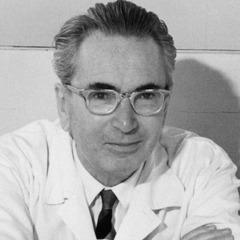
Viktor E. Frankl
Viktor E. Frankl was a renowned neurologist and psychologist, born on March 26, 1905, and died on September 2, 1997. He was one of the founders of existential psychology and is known for his experiences in Nazi concentration camps and his book 'Man's Search for Meaning'. more
You May Also Like
“If we did not feel the bitterness of his anger, we would not so sweetly relish His love.”
Source: Trouble of Mind and the Disease of Melancholy: Written for the Use of Such As Are or Have Been Exercised by the Same
Source: Walk Through Walls: A Memoir
Source: Anthrazit
Source: Memoirs of a Gnostic Dwarf
Source: Hidden Treasures: Finding Hope at the End of Life's Journey
Source: Dear Friend, from My Life I Write to You in Your Life
“What an ugly, loveless life for a girl.”
Source: Electra
Source: The Virgin Suicides
Source: Little Weirds