Quotessence
Home / Quotes / Quote by Carl Jung

Quote by Carl Jung

Work

Jung on Christianity

This book delves into Carl Jung's exploration of the Christian faith, examining its impact on his development of analytical psychology. It includes his thoughts on religious symbolism, the concept of the collective unconscious, and the integration of spirituality into the human psyche. more
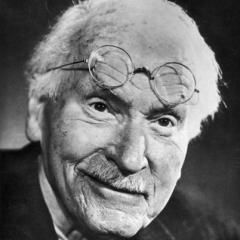
Author

Carl Jung
Carl Jung

Carl Jung, born on July 26, 1875, and died on June 6, 1961, was a renowned Swiss psychiatrist and psychologist. His theories have had a profound impact on fields such as psychology, psychiatry, and religious studies. Jung proposed the theory of personality types, the concept of the collective unconscious, and founded analytical psychology. more

You May Also Like

“Social media spark a revelation that we, the people, have a voice, and through the democratization of content and ideas we can once again unite around common passions, inspire movements, and ignite change.”

“But though such is our character (Oh. why should I speak of things unfit to be uttered?), the things said of us are an example of the proverb, 'The harlot reproves the chaste.' For those who have set up a market for fornication and established infamous resorts for the young for every kind of vile pleasure - who do not abstain even from males, males with males committing shocking abominations, outraging all the noblest and comeliest bodies in all sorts of ways, so dishonoring the fair workmanship of God.”

“Truly, this vice is never to be compared with any other vice because it surpasses the enormity of all vices.... It defiles everything, stains everything, pollutes everything. And as for itself, it permits nothing pure, nothing clean, nothing other than filth.”

“And what more should I say since it expels the whole host of the virtues from the chamber of the human heart and introduces every barbarous vice as if the bolts of the doors were pulled out.”

“Given the sin of impiety through which they [the Romans] sinned against the divine nature [by idolatry], the punishment that led them to sin against their own nature followed.... I say, therefore, that since they changed into lies [by idolatry] the truth about God, He brought them to ignominious passions, that is, to sins against nature; not that God led them to evil, but only that he abandoned them to evil.”