“There are things which cannot be carried through even with the good will of everybody concerned”
Book:Out of Africa
“There are things which cannot be carried through even with the good will of everybody concerned”
This book is a personal narrative of the author's life in Africa, covering her time spent in the region during the early 20th century. The author shares her observations and reflections on the people, landscapes, and culture of Africa during that period. more
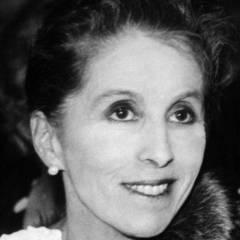
Isak Dinesen, known originally as Karen Blixen, was a Danish author renowned for her distinctive literary style and profound insights into human nature. Her works, which blend elements of realism and surrealism, are characterized by their brevity and depth. Born on April 17, 1885, and passing away on September 7, 1962, Dinesen spent her childhood and youth in Africa, an experience that profoundly influenced her writing. more
“When you have caught the rhythm of Africa, you find out that it is the same in all her music.”
“Man and woman are two locked caskets, of which each contains the key to the other.”