“لن أسعى إلى البحث عن السعادة بعد الآن. من الآن فصاعداًً، أنا مستقلّة؛ أرى الحياة من ناظريّ و ليس من ناظري ناس آخرين. سوف أسعى إلى البحث عن مغامرة كوني حيّة”
Quote by Paulo Coelho
Work
The Witch of Portobello
In 'The Witch of Portobello,' the protagonist, Athena, is a woman whose life is shrouded in mystery and enigma. The narrative unfolds as readers delve into her past, revealing her complex journey of self-discovery amidst the backdrop of a diverse and vibrant European society. The story is rich with cultural nuances and philosophical musings, offering a unique perspective on the human experience. more
Author
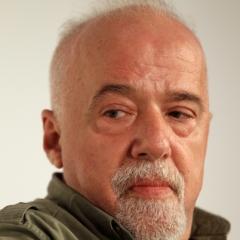
Paulo Coelho
Paulo Coelho, born on August 24, 1947, is a renowned Brazilian author and lyricist. His works are characterized by profound philosophical thoughts and rich imagination, with his most famous novel being 'The Alchemist'. more
You May Also Like
Source: Simple Reminders: Inspiration for Living Your Best Life
Source: The Bette Davis Club
Source: Raising Steam
Source: The Undiscovered Self
Source: How to Read Literature
“Flair is what makes the difference between artistry and mere competence. Cmdr. William Riker”
Source: Some Mistakes of Moses