“The New Deal is inconsistent with the principles of limited government and with the constitutional provisions designed to secure that end.”
Quote by Richard Allen Epstein
Work
Takings: Private Property and the Power of Eminent Domain
This book delves into the complexities surrounding the government's power to seize private property for public use, examining the historical context, legal precedents, and philosophical arguments surrounding the concept of takings. It provides a comprehensive analysis of the rights of property owners and the responsibilities of the state in this contentious area of law. more
Author
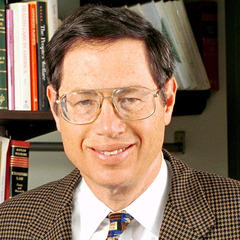
Richard Allen Epstein
Richard Allen Epstein (born April 17, 1943) is a prominent American legal scholar and author. He is the Laurence A. Tisch Professor of Law at New York University School of Law and was previously the James Parker Hall Distinguished Service Professor at the University of Chicago Law School. Epstein is renowned for his pioneering work in law and economics, constitutional law, property law, and tort law. A staunch advocate of classical liberalism, he champions limited government, individual freedom, and private property rights. His seminal work, 'Takings: Private Property and the Power of Eminent Domain,' profoundly influenced the interpretation of the Fifth Amendment's Takings Clause. Epstein's rigorous logic and interdisciplinary approach have made him one of the most influential legal thinkers of his time, though his views often spark debate. more
You May Also Like
Source: The Speeches ... in the House of Commons
Source: Milton Friedman on Freedom: Selections from The Collected Works of Milton Friedman
“[T]he burden of government is not measured by how much it taxes, but by how much it spends.”
“I'm always interested in what you can do with technology that people haven't thought of doing yet.”
Source: An enquiry concerning political justice, and its influence on general virtue and happiness