“There is no substitute for work.”
Quote by Vince Lombardi
Work
What it Takes to be #1: Vince Lombardi on Leadership
This book examines the leadership mindset and motivational approach that defined Vince Lombardi's coaching career with the Green Bay Packers during the 1960s. Lombardi built a reputation for demanding excellence, fostering discipline, and instilling a winning mentality in his players. His philosophy emphasized hard work, preparation, commitment to team goals, and the mental toughness required to succeed at the highest levels of competition. The work presents Lombardi's perspectives on achieving peak performance, building team cohesion, and developing the character traits necessary to become number one in any endeavor. While Lombardi is best known for his football accomplishments, his leadership principles have been applied across business, military, and organizational contexts. more
Author
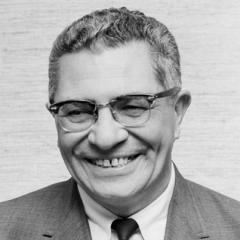
Vince Lombardi
Vince Lombardi was an American football player and coach, famous for his time as the head coach of the Green Bay Packers. He won five NFL championships and two Super Bowls during his tenure with the team. Lombardi's coaching philosophy centered on discipline, teamwork, and the importance of fundamentals. He was posthumously inducted into the Pro Football Hall of Fame in 1971. more
You May Also Like
Source: What It Takes To Be Number #1: Vince Lombardi on Leadership
“There is something good in men that really yearn for discipline.”
Source: Motivation Lombardi Style
Source: What It Takes to Be #1 : Vince Lombardi on Leaders: Vince Lombardi on Leadership
Source: What It Takes to Be #1 : Vince Lombardi on Leaders: Vince Lombardi on Leadership
Source: Seeing the Win: Why I Believe Vision Coaching is Vital to Winning Business Teams in the 21st Century
Source: Motivation Lombardi Style
“No leader, however great, can long continue unless he wins battles. The battle decides all.”
Source: What It Takes to Be #1 : Vince Lombardi on Leaders: Vince Lombardi on Leadership
“They call it coaching but it is teaching. You do not just tell them...you show them the reasons.”
Source: Motivation Lombardi Style
Source: What it Takes to be Number One