Quotessence
Home / Quotes / Quote by Jeanette Winterson

Quote by Jeanette Winterson

“So when people say that poetry is a luxury, or an option, or for the educated middle classes, or that it shouldn't be read in school because it is irrelevant, or any of the strange and stupid things that are said about poetry and its place in our lives, I suspect that the people doing the saying have had things pretty easy. A tough life needs a tough language - and that is what poetry is. That is what literature offers - a language powerful enough to to say how it is. It isn't a hiding place. It is a finding place.”

Quote by Jeanette Winterson

Work

Why Be Happy When You Could Be Normal?

This memoir delves into the author's experiences with her family, particularly her mother, and the impact these relationships had on her own sense of self and happiness. more

Author
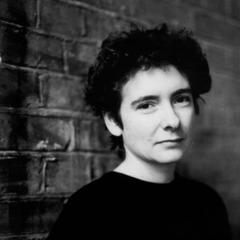
Jeanette Winterson
Jeanette Winterson

Jeanette Winterson is a renowned British author known for her distinctive literary style and profound social commentary. Her works span a wide range of themes, including novels, essays, and poetry. Winterson's novel 'Oranges Are Not the Only Fruit' is a story about growth, faith, and sexuality that has received widespread acclaim. more

You May Also Like

“When Suzie introduced Helen, she told the audience that one of the best things about books is that they are an interactive art form: that while the author may describe in some detail how a character looks, it is the reader's imagination that completes the image, making it his or her own. "That's why we so often don't like movies made from books, right?" Suzie said. "We don't like someone else's interpretation of what we see so clearly." She talked, too, about how books educate and inspire, and how they soothe the soul-"like comfort food without the calories," she said. She talked about the tactile joys of reading, the feel of a page beneath one's fingers; the elegance of typeface on a page. She talked about how people complain that they don't have time to read, and reminded them that if they gave up half an hour of television a day in favor of reading, they could finish twenty-five books a year. "Books don't take time away from us," she said. "They give it back. In this age of abstraction, of multitasking, of speed for speed's sake, they reintroduce us to the elegance-and the relief!-of real, tick-tock time.”

“It is not all books that are as dull as their readers. There are probably words addressed to our condition exactly, which, if we could really hear and understand, would be more salutary than the morning or the spring to our lives, and possibly put a new aspect on the face of things for us. How many a man has dated a new era in his life from the reading of a book. The book exists for us perchance which will explain our miracles and reveal new ones. The at present unutterable things we may find somewhere uttered. These same questions that disturb and puzzle and confound us have in their turn occurred to all the wise men; not one has been omitted; and each has answered them, according to his ability, by his words and his life.”

“The less you eat, drink and buy books; the less you go to the theatre, the dance hall, the public house; the less you think, love, theorise, sing, paint, fence, etc., the more you save – the greater becomes your treasure which neither moths nor rust will devour – your capital. The less you are, the less you express your own life, the more you have, i.e., the greater is your alienated life, the greater is the store of your estranged being.”