“Never laugh at live dragons, Bilbo you fool!" he said to himself, and it became a favourite saying of his later, and passed into a proverb. "You aren't nearly through this adventure yet," he added, and that was pretty true as well.”
Book:The Hobbit
“Never laugh at live dragons, Bilbo you fool!" he said to himself, and it became a favourite saying of his later, and passed into a proverb. "You aren't nearly through this adventure yet," he added, and that was pretty true as well.”
J.R.R. Tolkien's 'The Hobbit' is a fantasy novel that introduces readers to Middle-earth, the world that would later become the setting for 'The Lord of the Rings' series. The story follows Bilbo Baggins, a hobbit who is inadvertently drawn into a quest to reclaim the Dwarves' treasure from the dragon Smaug. Along the way, Bilbo encounters various magical creatures and faces numerous challenges, all while discovering his own courage and unexpected heroism. more
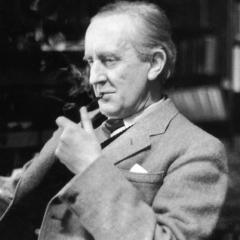
J.R.R. Tolkien was an English writer, best known for his fantasy literature, most notably The Lord of the Rings trilogy and The Hobbit. His works have had a profound impact on modern fantasy literature. more
“It's my attempt to remain invisible, not distract the reader from the story with obvious writing.”
“It's the things that aren't accepted as conventionally beautiful that I find more attractive.”
“When treating with liars, even an honest man must lie.”