“The bank - the monster has to have profits all the time. It can't wait. It'll die. No, taxes go on. When the monster stops growing, it dies. It can't stay one size.”
Book:The Grapes of Wrath
“The bank - the monster has to have profits all the time. It can't wait. It'll die. No, taxes go on. When the monster stops growing, it dies. It can't stay one size.”
John Steinbeck's 'The Grapes of Wrath' is a profound narrative that delves into the struggles of a family displaced by the Dust Bowl and their arduous trek to California in search of a better life. The novel vividly portrays the resilience and suffering of the Joad family, highlighting the systemic issues of the time, including poverty, racism, and the exploitation of the working class. more
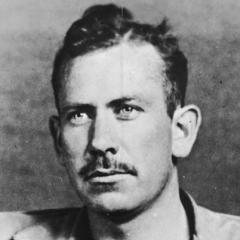
John Steinbeck was an American author renowned for his profound depiction of American society and the lives of farmers. His works often explore themes of poverty, social injustice, and human nature. Steinbeck was awarded the Nobel Prize in Literature in 1962 for his significant contribution to American literature. more
“I don't understand what's going on, but i'll just pretend that I do.”
“You who read me, are You sure of understanding my language?”
“I love arguing with you, Claire. You always surprise me. And occasionally, you even make sense.”
“My relationship with cats has saved me from a deadly and pervasive ignorance.”
“The past is all we know of the future.”