“How little we have, I thought, between us and the waiting cold, the mystery, death--a strip of beach, a hill, a few walls of wood or stone, a little fire--and tomorrow's sun, rising and warming us, tomorrow's hope of peace and better weather . . . What if tomorrow vanished in the storm? What if time stood still? And yesterday--if once we lost our way, blundered in the storm--would we find yesterday again ahead of us, where we had thought tomorrow's sun would rise?”
Quote by Robert Nathan
Author
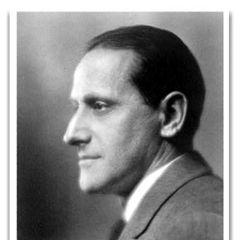
Robert Nathan
Robert Nathan (January 2, 1894 – May 25, 1985) was an American novelist, poet, and playwright. Born in New York City to a wealthy Jewish family, he attended Harvard University but left due to illness. Nathan wrote over 40 novels, blending fantasy with realism, including notable works such as Portrait of Jennie and The Bishop's Wife. His writing is known for its lyrical prose and philosophical themes. He was a member of the American Academy of Arts and Letters and worked as a screenwriter in Hollywood. Although his popularity waned in later years, Nathan is recognized for his unique contribution to American literature, bridging romanticism and modern psychological fiction. more
You May Also Like
Source: A Game of Thrones: The Illustrated Edition: A Song of Ice and Fire: Book One
Source: Troy: Fall Of Kings
Source: Dash & Lily's Book of Dares
“The universe doesn't decide what's right or not right. You do.”
Source: Dash & Lily's Book of Dares
Source: Things Hoped For