“Persons of genius, and those who are most capable of art, are always most fond of nature: as such are chiefly sensible, that all art consists in the imitation and study of nature.”
Quote by Alexander Pope
Work
The Works of Alexander Pope, Esq: In Six Volumes Complete. With His Last Corrections, Additions, and Improvements; Together with All His Notes, as They Were Delivered to the Editor a Little Before His Death: Printed Verbatim from the Octavo Edition of Mr. Warburton
This book is a definitive compilation of the literary works of Alexander Pope, featuring his most recent corrections, additions, and improvements. It includes all the notes that Pope provided to the editor prior to his death. The text is reproduced exactly as it appeared in the octavo edition, edited by Mr. Warburton. more
Author
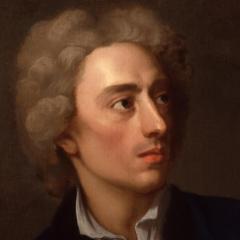
Alexander Pope
Alexander Pope, an English poet, was born on May 21, 1688, and died on May 30, 1744. He is renowned for his wit, satire, and elegant poetry, with his most famous works including 'An Essay on Criticism' and 'The Moral Essays'. Pope's works have had a profound impact on literature and philosophy, both in his time and today. more
You May Also Like
“The aim of art is to project an inner vision into the world.”
Source: Tao of Jeet Kune Do
Source: Dorothy Parker
Source: Modern Painters: (pt.4) Modern painters of many things
Source: Omnipotent Government: The Rise of the Total State and Total War
“...Any authentic creation is a gift to the future.”
Source: The Myth of Sisyphus: And Other Essays