“Il est sans intérêt à mon sens de discuter sur "our way of life" ou sur celle des Russes. Dans les deux cas, un ensemble de traditions et de coutumes ne constitue pas un ensemble très structuré. Il est beaucoup plus intelligent de s'interroger pour connaître les institutions et les traditions utiles ou nuisibles aux hommes, bénéfiques ou maléfiques pour leur destin. Il faut alors tenter d'utiliser ainsi le meilleur désormais reconnu, sans se préoccuper de savoir si on le réalise actuellement chez nous ou ailleurs.”
Quote by Albert Einstein
Work
The World As I See It
This book is a compilation of thoughtful essays and personal reflections that delve into the author's unique insights on life, culture, and the human experience. The author's perspective is woven through a tapestry of observations on societal norms, personal beliefs, and the complexities of the world around them. more
Author
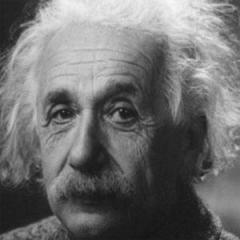
Albert Einstein
Albert Einstein, a German-born theoretical physicist, is renowned for his work on relativity and the photoelectric effect. His contributions revolutionized our understanding of the universe and had a profound impact on modern physics. more
You May Also Like
Source: The Swoop! and Other Stories
Source: Herkunft
“De mensen in het buitenland voelen niet de noodzaak zich te verlagen.”
“De brulkikker lag uiteengespat op het bospad.”
Source: Voor een betere wereld
Source: India in the Persianate Age, 1000–1765
Source: Jurassic Park
“The sight of God in woman is the most perfect of all." Ibn Arabi.”
Source: The Sufis