Quotessence
Home / Quotes / Quote by Ralph Waldo Emerson

Quote by Ralph Waldo Emerson

Work

Essays and Lectures

This book is a compilation of written works and spoken presentations that delve into a wide range of subjects, offering insights and perspectives on different themes and concepts. more
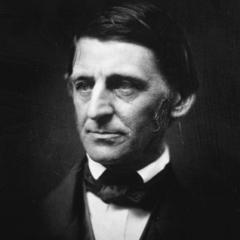
Author

Ralph Waldo Emerson
Ralph Waldo Emerson

American essayist, poet, and philosopher. Born on May 25, 1803, and died on April 27, 1882. Known for his transcendentalist philosophy, his works have had a profound impact on literature and the intellectual world. more

You May Also Like

“A French observer is surprised to hear how often an English or an American lawyer quotes the opinions of others, and how little he alludes to his own; ... This abnegation of his own opinion, and this implicit deference to the opinion of his forefathers, which are common to the English and American lawyer, this servitude of thought which he is obliged to profess, necessarily give him more timid habits and more conservative inclinations in England and America than in France.”

“Courage is the most important attribute of a lawyer. It is more important than competence or vision. It can never be an elective in any law school. It can never be de-limited, dated or outworn, and it should pervade the heart, the halls of justice and the chambers of the mind.”

“The lawyers' contribution to the civilizing of humanity is evidenced in the capacity of lawyers to argue furiously in the courtroom, then sit down as friends over a drink or dinner. This habit is often interpreted by the layman as a mark of their ultimate corruption. In my opinion, it is their greatest moral achievement: It is a characteristic of humane tolerance that is most desperately needed at the present time.”

“The government of the United States has been emphatically termed a government of laws, and not of men. It will certainly cease to deserve this high appellation, if the laws furnish no remedy for the violation of a vested legal right.”

“The First Amendment guarantees liberty of human expression in order to preserve in our Nation what Mr. Justice Holmes called a "free trade in ideas." To that end, the Constitution protects more than just a man's freedom to say or write or publish what he wants. It secures as well the liberty of each man to decide for himself what he will read and to what he will listen. The Constitution guarantees, in short, a society of free choice.”