Quotessence
Home / Quotes / Quote by Jack Kerouac

Quote by Jack Kerouac

Work

On the Road: The Original Scroll: (Penguin Classics Deluxe Edition)

A seminal work in the Beat Generation, this novel follows the road-trip adventures of Sal Paradise and Dean Moriarty, exploring themes of identity, alienation, and the American Dream. more

Author
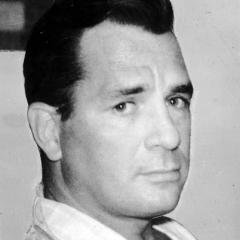
Jack Kerouac
Jack Kerouac

Jack Kerouac, born on March 12, 1922, in Lowell, Massachusetts, was an influential American novelist. Known for his autobiographical novels and beat literature, his most famous work is 'On the Road'. Kerouac's writings had a profound impact on American culture in the 1960s. more

You May Also Like

“Marylou was watching Dean as she had watched him clear across the country and back, out of the corner of her eye--with a sullen, sad air, as though she wanted to cut off his head and hide it in her closet, an envious and rueful love of him so amazingly himself, all raging and sniffy and crazy-wayed, a smile of tender dotage but also sinister envy that frightened me about her, a love she knew would never bear fruit because when she looked at his hangjawed bony face with its male self-containment and absentmindedness she knew he was too mad.”

“..when a war ends, what does that look like exactly? do the cells in the body stop detonating themselves? does the orphanage stop screaming for its mother? when the sand in the desert has been melted down to glass and our reflection is not something we can stand to look at does the white flag make for a perfect blindfold? yesterday i was told a story about this little girl in Iraq, six-years-old, who cannot fall asleep because when she does she dreams of nothing but the day she watched her dog eat her neighbor's corpse. if you told her war is over do you think she can sleep?”

“The gods weave misfortunes for men, so that the generations to come will have something to sing about.” Mallarmé repeats, less beautifully, what Homer said; “tout aboutit en un livre,” everything ends up in a book. The Greeks speak of generations that will sing; Mallarmé speaks of an object, of a thing among things, a book. But the idea is the same; the idea that we are made for art, we are made for memory, we are made for poetry, or perhaps we are made for oblivion. But something remains, and that something is history or poetry, which are not essentially different.”