“« Reason, l’esprit, the intellect of the writing and reasoning nation, is constantly fighting against the darkness of « illiteracy ». You must know how to read and write to be a real member of a civilized nation.(…) In clearing up the underbrush of the privilege and prejudice, liberalism or rationalism was convinced that it held in its hand the naked truth, undisguised, unstained by dogma or tradition. Reason discovering nature can test everything by experiment. There is no room for traditional habits: Fashion takes the place of habit. But it is precisly Fashion which enslave Reason. The Philosophizing mind had its prison of sensuality and drudgery exactly like a pupil of the Jesuits or a child in a backwoods village. Its fairy-tale and its prejudice are not dependent upon miracles or dogmas or incenses or witchcraft, but the apparatus of Reason is subject to the same laws of sensuous disguise as any other part of the human soul. Superstition sends us to the medicine man, physical pain to the physician. We have a native sense that urges us on toward Reason and Philosophy: this sense is curiosity. Without a sense for novelty, no thinker can succeed or affect the life of the community. The self-indulgence of Reason is its predilection for the new. »”
Quote by Eugen Rosenstock-Huessy
Work
Out of Revolution: Autobiography of Western Man
Browse quotes and source details for this work. more
Author
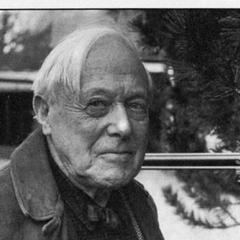
Eugen Rosenstock-Huessy
Eugen Rosenstock-Huessy was a German philosopher known for his profound insights into history and culture. His ideas have had a significant impact on modern political philosophy and theology. more
You May Also Like
Source: Twilight of Democracy: The Seductive Lure of Authoritarianism
“Reason requires that I approve The light-bulb which I cannot love”
Source: Interpretations of Poetry and Religion
“Nos volvemos viejos, pero quién sé vuelve juicioso.”
Source: Fausto
Source: The Dreamers