“Our inheritance of well-founded, slowly conceived codes of honor, morals and manners, the passionate convictions which so many hundreds of millions share together of the principles of freedom and justice, are far more precious to us than anything which scientific discoveries could bestow.”
Quote by Winston Churchill
Work
Sir Winston Churchill: a self-portrait
The book is a compilation of Churchill's own writings, speeches, and correspondence, providing a unique perspective on his experiences and thoughts throughout his life. more
Author
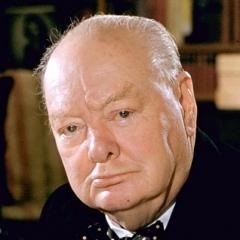
Winston Churchill
Winston Churchill, a former Prime Minister of the United Kingdom, was a statesman, historian, writer, and orator. He led the British people in resisting Nazi Germany during World War II and became a national hero. Churchill is renowned for his unique oratory style and steadfast political stance. more
You May Also Like
Source: Precepts and counsels on scientific investigation: stimulants of the spirit
“He bids fair to grow wise who has discovered that he is not so.”
“Meaningful truths are never newly discovered; they're just uncovered anew.”
“God gave them [the discoveries] to me; how can I sell them to someone else?”
“Physicians, when the cause of disease is discovered, consider that the cure is discovered.”