“The earth's becoming at a particular period the residence of human beings, was an era in the moral, not in the physical world, that our study and contemplation of the earth, and the laws which govern its animate productions, ought no more to be considered in the light of a disturbance or deviation from the system, than the discovery of the satellites of Jupiter should be regarded as a physical event in the history of those heavenly bodies, however influential they may have become from that time in advancing the progress of sound philosophy among men.”
Quote by Charles Lyell
Work
Principles of Geology
This comprehensive work delves into the principles that govern the Earth's geological processes, including the formation of rocks, the movement of tectonic plates, and the evolution of the planet over time. It is considered a cornerstone in the development of modern geology. more
Author
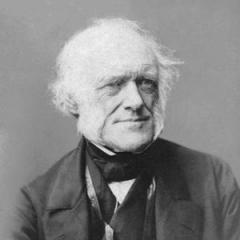
Charles Lyell
Charles Lyell, born on November 14, 1797 and died on February 22, 1875, was a renowned lawyer and geologist from the United Kingdom. He is best known for his extensive research in geology and his influential book 'Principles of Geology,' which had a profound impact on the development of the field. more
You May Also Like
Source: Science and Reform: Selected Works of Charles Babbage
Source: What is Life?: With Mind and Matter and Autobiographical Sketches
Source: History of the Conflict Between Religion and Science: By John William Draper ...