“In the matter of piety, poverty serves us better than wealth, and work better than idleness, especially since wealth becomes an obstacle even for those who do not devote themselves to it.”
Quote by Saint John Chrysostom
Work
Baptismal Instructions
Baptismal Instructions refers to a genre of religious literature concerned with preparing candidates for Christian baptism and explaining the significance of the sacrament. Works bearing this title or similar formulations have appeared across centuries of Christian history, typically encompassing teachings on the theological meaning of baptism, moral preparation for initiates, and descriptions of the ritual itself. The most historically prominent example consists of the catechetical lectures delivered by Cyril, Bishop of Jerusalem, in the mid-fourth century, which were addressed to baptismal candidates during Lent and became influential in shaping Eastern Christian liturgical practice and theology. These instructions characteristically address topics such as renunciation of sin, the symbolism of water, Trinitarian faith, and the spiritual transformation understood to accompany the rite. The genre reflects the historical practice of restricted access to the details of initiation rites, with instruction being provided progressively to those preparing for full participation in the Christian community. Similar instructional material appears in various Christian traditions, adapted to different liturgical structures and theological emphases, and continues to serve as a resource for understanding the development of Christian initiation practices and sacramental theology. more
Author
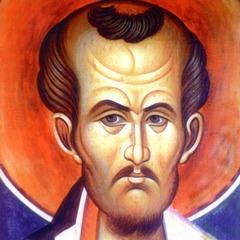
Saint John Chrysostom
Saint John Chrysostom (c. 347 – September 14, 407) was an early Church Father and Archbishop of Constantinople, renowned for his eloquent preaching and oratory, earning the epithet 'Chrysostom' meaning 'golden-mouthed.' Born in Antioch, he received a classical education and later became a hermit. His sermons emphasized moral reform, social justice, and biblical exegesis, often criticizing luxury and corruption. His conflicts with the imperial court and clergy led to multiple exiles, and he died during a forced march. His extensive writings, including homilies, commentaries, and letters, profoundly influenced Eastern Christianity. He is venerated as a saint and Doctor of the Church in Eastern Orthodoxy, Catholicism, and other traditions. more
You May Also Like
Source: Baptismal Instructions
Source: Saint John Chrysostom Collection [10 Books]
“Let us not overlook so great a gain.”
Source: The Homilies of Saint John Chrysostom: On the Acts of the Apostles
“For the unclean spirit enters easily into a man, and easily goes out from him.”
Source: The Maxims and Sayings of St Philip Neri