Quotessence
Home / Quotes / Quote by Umberto Eco

Quote by Umberto Eco

Work

The Name of the Rose

This novel delves into the life of a young monk who becomes entangled in the political intrigue of the Catholic Church during the 13th century. It examines the conflict between the purity of faith and the corrupting influence of power, offering a rich tapestry of historical detail and moral complexity. more
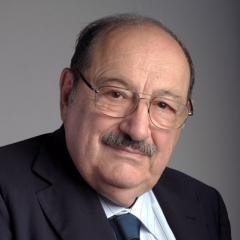
Author

Umberto Eco
Umberto Eco

Italian essayist, scholar, and critic. Umberto Eco is renowned for his unique literary style and profound academic background. His works integrate history, philosophy, literature, and semiotics, with his most famous novel being 'The Name of the Rose'. more

You May Also Like

“Не однажды приводилось мне осматривать скрипторий, но ни в одном из них столь блистательно не представало мне в переливах физического сияния, заставлявших все кругом себя светиться и сверкать, то духовное начало, олицетворяемое стихией света - claritas, которое есть кладезь любой красоты и любой премудрости и неотъемлемое качество той гармонии, которая показывалась во всех пропорциях залы. Ибо три условия должны сойтись для нарождения красоты: прежде всего целокупность, сиречь совершенство, и потому мы считаем уродливыми незавершенные вещи; далее, достойная пропорциональность, сиречь соразмерность; и, наконец, яркость и светлота, и поэтому мы считаем красивыми вещи ясных цветов. И поскольку созерцание красоты доставляет покой в душу, а для нашей души едино, предаваться ли покою, добру или красоте, я и ощутил в душе своей величайшее успокоение и подумал, до чего, должно быть, приятно заниматься в таком чудеснейшем месте.”

“كان رجال العهود الغابرة وسيمي الطلعة طويلي القامة و الآن أصبحوا أطفالاً و أقزاماً وليس هذا إلا دليلاً من جملة أدلة أخرى كثيرة تشهد بتعاسة عالم يسير نحو الهرم”

“You cannot change the world with ideas. People with few ideas are less likely to make mistakes; they follow what everyone else does and are no trouble to anyone; they're successful, make money, find good jobs, enter politics, receive honours; they become famous writers, academics, journalists. Can anyone who is so good at looking after their own interests really be stupid? I'm the stupid one, the one who wanted to go tilting at windmills.”