“On me your voice falls as they say love should, Like an enormous yes. My Crescent City Is where your speech alone is understood”
Book:The Whitsun Weddings
“On me your voice falls as they say love should, Like an enormous yes. My Crescent City Is where your speech alone is understood”
The Whitsun Weddings is a novel that delves into the lives of a group of people living in a small English village during the 1930s. The story follows various characters as they navigate love, loss, and the complexities of social class. The setting is vividly portrayed, offering a glimpse into the era's rural landscape and the lives of those who inhabit it. more
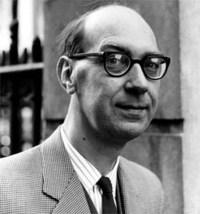
Philip Larkin (August 9, 1922 – December 2, 1985) was a renowned English poet, novelist, and librarian. He is widely regarded as one of the greatest poets of post-war Britain, known for his concise, bleak, and ironic style. Born in Coventry, Larkin studied at St John's College, Oxford. His major works include the poetry collections 'The Whitsun Weddings' and 'High Windows', and the novel 'Jill'. He spent most of his career as librarian at the University of Hull. Larkin's poetry often explores themes of death, loneliness, love, and the absurdity of everyday life. He rejected modernism in favor of traditional forms, and his precise, musical language earned him the Queen's Gold Medal for Poetry. His work continues to influence poets and readers worldwide. more
“Dazwischen Stille, ebenso wichtig wie das Klingende.”