“Nothing can be believed but what one sees, or has from an eye witness.”
Quote by Thomas Jefferson
Work
The Writings of Thomas Jefferson: Correspondence, contin
The Writings of Thomas Jefferson: Correspondence, continuation is a compilation of Jefferson's extensive correspondence, offering insight into his role in the American Revolution, his presidency, and his contributions to the drafting of the Declaration of Independence and the Constitution. more
Author
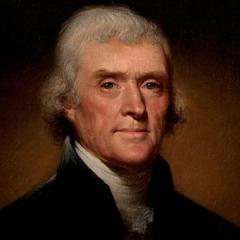
Thomas Jefferson
Thomas Jefferson was the third President of the United States, a distinguished politician, philosopher, architect, and scientist. He was born on April 13, 1743, and died on July 4, 1826. Jefferson advocated for democracy and freedom in politics and was one of the main authors of the Declaration of Independence. His political ideas had a profound impact on the founding and development of the United States. more
You May Also Like
Source: The Works of Alexander Hamilton: Miscellanies, 1774-1789: A full vindication; The farmer refuted; Quebec bill; Resolutions in Congress; Letters from Phocion; New-York Legislature, etc
Source: The portable Thomas Jefferson
Source: 1829-1836
Source: The Writings of Thomas Jefferson: Correspondence. Reports and opinions while secretary of state
“I have a duty to protect the Executive Branch from legislative encroachment.”
“We are all fallen creatures and all very hard to live with.”
Source: Letters to an American Lady
“Never be afraid of the world's censure; it's praise is much more to be dreaded.”
Source: The Complete Works of C. H. Spurgeon, Volume 28: Sermons 1637-1697
Source: Meaning Success