“[L]eave nothing to the uncertainty of procuring a warlike apparatus at the moment of public danger.”
Quote by George Washington
Work
The Writings of George Washington: Being His Correspondence, Addresses, Messages, and Other Papers, Official and Private, Selected and Published from the Original Manuscripts; with a Life of the Author, Notes and Illustrations
The Writings of George Washington offers a detailed look into the personal and professional life of the first President of the United States. It features a selection of Washington's letters, addresses, and official papers, meticulously compiled from his original manuscripts. Accompanying the documents is a biography that delves into the life of George Washington, along with explanatory notes and illustrative material to enhance understanding. more
Author
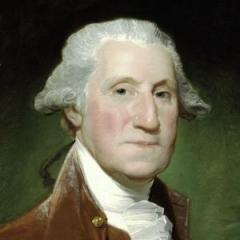
George Washington
George Washington was the first President of the United States and a key figure in the American Revolutionary War. Born on February 22, 1732, and died on December 14, 1799, Washington is known for his strong leadership and belief in democracy, playing a crucial role in American history. more
You May Also Like
Source: The Last Best Hope: The Greatest Speeches of Ronald Reagan
Source: The Virginia Report of 1799-1800: Touching the Alien and Sedition Laws; Together with the Virginia Resolutions of December 21, 1798, Including the Debate and Proceedings Thereon in the House of Delegates of Virginia and Other Documents Illustrative of the Report and Resolutions
Source: The writings of Thomas Jefferson
Source: Letters to the Press, 1758-1775
Source: Memoirs of the life and writings of Benjamin Franklin ...
“Newspapers . . . serve as chimnies to carry off noxious vapors and smoke.”
Source: Memoir, correspondence, and miscellanies from the papers of T. Jefferson
Source: Democracy in America
Source: Democracy in America