Quotessence
Home / Quotes / Quote by Philip Neri

Quote by Philip Neri

Work

The Maxims and Sayings of St Philip Neri

This book compiles a selection of maxims and sayings from the life and work of St Philip Neri, offering insights into his spiritual philosophy and guidance for personal development. more

Author
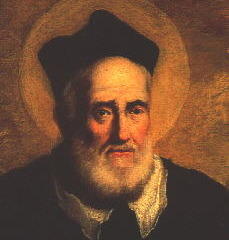
Philip Neri
Philip Neri

Philip Neri was an Italian Catholic priest and is considered one of the founders of the Franciscans. Born on July 22, 1515, and died on May 25, 1595, Neri is known for his charitable work and care for the poor. His life and deeds have had a profound impact on posterity. more

You May Also Like

“So far as a man may be proud of a religion rooted in humility, I am very proud of my religion; I am especially proud of those parts of it that are most commonly called superstition. I am proud of being fettered by antiquated dogmas and enslaved by dead creeds (as my journalistic friends repeat with so much pertinacity), for I know very well that it is the heretical creeds that are dead, and that it is only the reasonable dogma that lives long enough to be called antiquated.”

“Dear young people of every language and culture, a high and exhilarating task awaits you: that of becoming men and women capable of solidarity, peace and love of life, with respect for everyone. Become craftsmen of a new humanity, where brothers and sisters - members all of the same family - are able at last to live in peace.”

“While it is true that the taking of life not yet born or in it's final stages is sometimes marked by a mistaken sense of altruism and human compassion it cannot be denied that such a culture of death, taken as a whole, betrays a completely individualistic concept of freedom, which ends up by becoming the freedom of "the strong" against the weak who have no choice but to submit.”

“Precisely in an age when the inviolable rights of the person are solemnly proclaimed and the value of life is publicly affirmed, the very right to life is being denied or trampled upon, especially at the more significant moments of existence: the moment of birth and the moment of death.”