Quotessence
Home / Quotes / Quote by George Eliot

Quote by George Eliot

“There is no short cut, no patent tram-road, to wisdom: after all the centuries of invention, the soul’s path lies through the thorny wilderness which must be still trodden in solitude, with bleeding feet, with sobs for help, as it was trodden by them of old time.”

Quote by George Eliot

Work

The Lifted Veil

This book delves into the enigmatic and the extraordinary, offering readers a glimpse into a world where the veil between the known and the unknown is lifted. more

Author

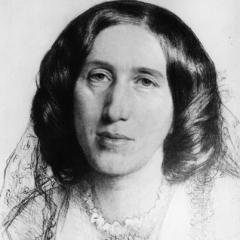
George Eliot
George Eliot

George Eliot, born Mary Ann Evans, was a renowned 19th-century British novelist. Her works are known for their profound psychological insights and critical exploration of social issues. With her unique narrative techniques and rich emotional expression, she has had a profound impact on literature. more

You May Also Like

“What we think of as acts of cruelty are in reality nothing of the kind. Someone from the Middle Ages would still find the whole style of our present-day life abhorrent, but cruel, horrifying and barbaric in a quite different way. Every age, every culture, every ethos and tradition has a style of its own, has the varieties of gentleness and harshness, of beauty and cruelty that are appropriate to it. Each age will take certain kinds of suffering for granted, will patiently accept certain wrongs. Human life becomes a real hell of suffering only when two ages, two cultures and religions overlap. Required to live in the Middle Ages, someone from the Graeco-Roman period would have died a wretched death by suffocation, just as a savage inevitably would in the midst our civilisation. Now, there are times when a whole generation gets caught to such an extent between two eras, two styles of life, that nothing comes naturally to it since it has lost all sense of morality, security and innocence. A man of Nietzsche's mettle had to endure our present misery more than a generation in advance. Today, thousands are enduring what he had to suffer alone and without being understood.”

“Mother Teresa with almost pragmatic efficiency had brought together two perceived needs: the need for a kind of power house of prayer o the part of her Missionaries of Charity; and the need of the sick and suffering to find a meaning to their existence. Over and above this, however, many of the Sick and Suffering links became living witnesses to Mother Teresa's conviction that suffering could draw people closer to God. The letters of the Sick and Suffering bore such eloquent witness to her belief that 'suffering begets life in the soul' that in 1983 Mother Teresa would take the unusual step of actually suggesting that they should be published. The reason she gave was less uncharacteristic: 'It will help many people to love Jesus more.;”

“Parvatibai had heard that the gods visit trials and travails upon mankind to test them. Test what? Their faith, their loyalty, their fortitude, their capacity for suffering? She thought that this was what rotten parents did: they did not know how to handle their impotence and rage against their partners, fate or the world and so beat their children and said it was for their own good. She had no idea what good ensued from piling hardship upon hardship, evil and torture. If watching people lose heart, break down and squirm, gave the gods pleasure, then they were stranger than men and women.”