“This is how one pictures the angel of history. His face is turned toward the past. Where we perceived a chain of events, he sees one single catastrophe which keeps piling wreckage and hurls it in front of his feet. The angel would like to stay, awaken the dead, and make whole what has been smashed. But a storm is blowing from Paradise; it has got caught in his wings with such violence that the angel can no longer close them. This storm irresistably propels him into the future to which his back is turned, while the pile of debris before him grows skyward. The storm is what we call progress.”
Quote by Walter Benjamin
Author
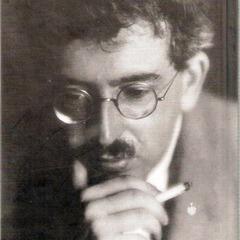
Walter Benjamin
Walter Benjamin, born on July 15, 1892, and died on September 26, 1940, was a prominent German literary critic whose works profoundly influenced 20th-century literary criticism and cultural theory. more
You May Also Like
Source: A Theory of Everything: An Integral Vision for Business, Politics, Science and Spirituality
Source: Pronoia Is the Antidote for Paranoia: How the Whole World Is Conspiring to Shower You with Blessings
Source: The Collected Works of C. G. Jung: Structure and dynamics of the psyche
“The thing people forget when they are looking for solutions is there is nothing final in history.”
“History remembers only the celebrated, genealogy remembers them all.”
Source: The Great Work: Our Way into the Future
Source: The Great Work: Our Way into the Future