“When one becomes for an instant one's former self, that is to say different from what one has been for some time past, one's sensibility, being no longer dulled by habit, receives from the slightest stimulus vivid impressions which make everything that has preceded them fade into insignificance, impressions to which, because of their intensity, we attach ourselves with the momentary enthusiasm of a drunkard.”
Quote by Marcel Proust
Work
In Search of Lost Time, Volume IV: Sodom and Gomorrah (A Modern Library E-Book)
Volume IV of Marcel Proust's seven-volume novel series, known for its intricate narrative and philosophical depth. This volume delves into the complexities of human relationships and societal norms, set against the backdrop of Parisian high society. more
Author
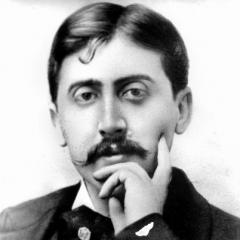
Marcel Proust
Marcel Proust was a French novelist renowned for his magnum opus, 'In Search of Lost Time'. This novel is considered a classic of 20th-century literature, known for its intricate psychological portrayals and profound exploration of memory. more
You May Also Like
Source: Delphi Complete Works of Marcel Proust (Illustrated)
Source: In Search of Lost Time, Volume IV: Sodom and Gomorrah (A Modern Library E-Book)
Source: In Search of Lost Time, Volume IV: Sodom and Gomorrah (A Modern Library E-Book)
Source: Remembrance of Things Past
“Fashions, being themselves begotten of the desire for change, are quick to change also.”
Source: Delphi Complete Works of Marcel Proust (Illustrated)
“Le bonheur est dans l'amour un e tat anormal. In love, happiness is abnormal.”