Quotessence
Home / Quotes / Quote by Paul Bloom

Quote by Paul Bloom

“When people want to inspire you to turn against some group of people, they'll often use empathy. When Obama wanted to bomb Syria, he drew our attention to the victims of chemical warfare. And in both of the Iraq wars, politicians said, "Look at the horrific things that are happening." I'm not a pacifist. I think the suffering of innocent people can be a catalyst for moral action. But empathy puts too much weight on the scale in favor of war. Empathy can really lead to violence.”

Quote by Paul Bloom

Author
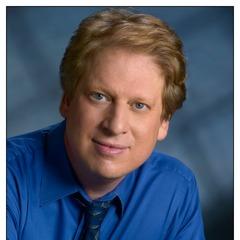
Paul Bloom
Paul Bloom

Paul Bloom is a renowned cognitive psychologist, born on December 24, 1963. He is a professor at Yale University, where he studies human thinking, decision-making, and judgment. Bloom's research spans multiple areas, including intuition, intuitive thinking, cognitive biases, and moral judgment. more

You May Also Like

“I like a lot of hardcore, but it's just a genre about which I don't have much to say. It's kind of a thing where, unless you're active in the hardcore community, what could you have to say of value about it? It resists criticism because it's not just a style but an entrance into several different worlds of ideas- political, philosophical, societal. The music is really only part of the whole scene. In that sense, the music doesn't change much because it shouldn't: It needs to be there as a signal that you're entering into a certain discursive mode, maybe.”

“In California, Jim Jones even staged a shooting of himself. The lesson of this was two-fold. One, that he was a god - he could heal himself. He had these magic powers. A large segment of his congregation came from a Pentecostal tradition that believed in faith healing and already believed Jones had the power to cure others. And two, the "shooting" made him seem important. Civil rights leaders were being gunned down - MLK, Jr., Medgar Evers, Malcolm X - and he longed to be considered as heroic and important as they were.”

“Jim Jones wanted his people to believe the establishment was trying to kill him because whites were threatened by his message of racial equality. He used the incident to close ranks and turn anyone who disagreed with him into a menace. He warned his congregation that a would be assassin might try to infiltrate their church, so they had to prove their loyalty to him by never questioning his orders. Dissenters became traitors.”